




The Brussels Stock Exchange, known locally as «La Bourse», is an architectural jewel that stands majestically in the heart of the Belgian capital. This landmark building, dating from 1873, is a living testimony to the city’s rich history and vibrant culture.

The La Bourse building was built on the site of a former butter market and its inauguration marked a milestone in the history of Brussels. Responsibility for its design fell to architect Léon Suys, who is also known for his work on the Antwerp Stock Exchange. Suys opted for a neo-Renaissance style for La Bourse, a style that is reflected in the building’s majesty and richness of detail.
The Bourse de Bruxelles is a true open-air museum. Its façade is adorned with numerous sculptures representing the gods of commerce and industry, as well as famous people from Belgian history. Each of these sculptures tells a story, adding layers of meaning to the rich tapestry that is La Bourse.

The interior of the building is equally impressive. The main lobby is dominated by a large mural narrating the history of commerce and industry in Belgium. In addition, the building houses a number of showrooms and offices, each with its own character and charm.
In 2023, La Bourse de Bruxelles underwent a significant transformation. It was renovated and reimagined as a center for culture and events. Now, this historic building hosts exhibitions, concerts and other cultural events, making it a meeting point for culture lovers.
In addition, La Bourse also houses a tourist information center. Here, visitors can obtain valuable information about Brussels and its surroundings, making it an obligatory stop for any tourist.
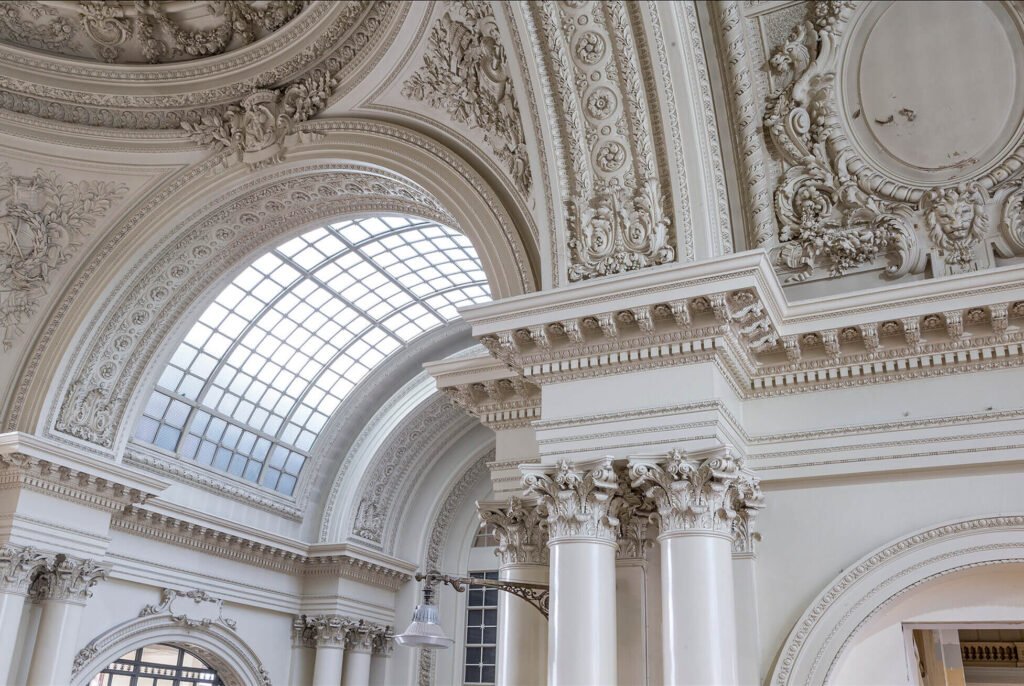
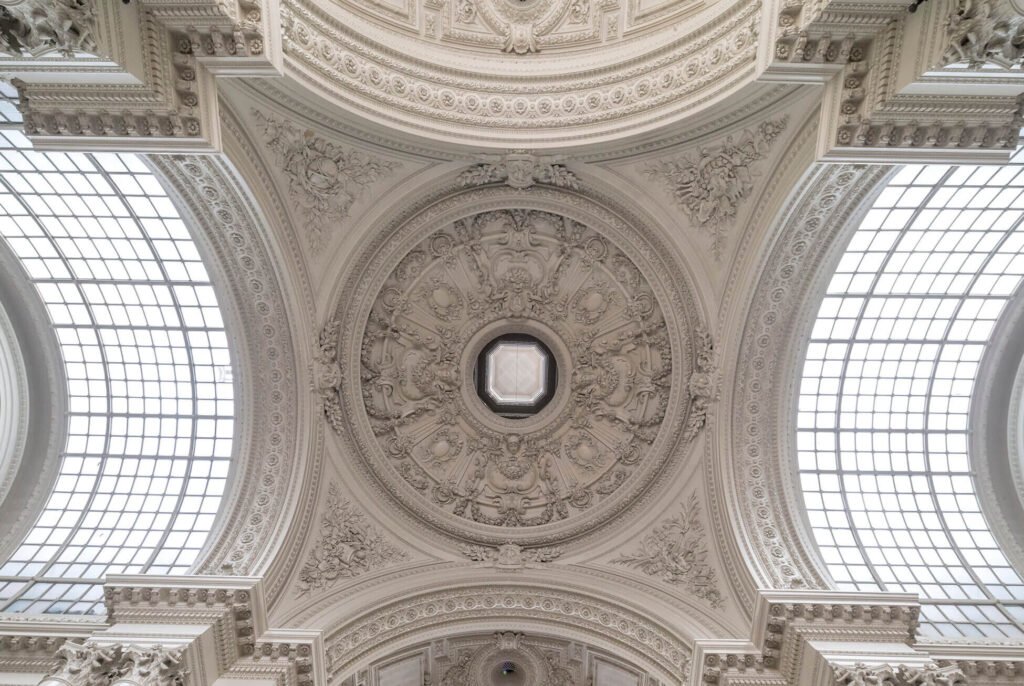
The Bourse de Bruxelles is more than a building. It is a monument to history, a center of culture and a beacon of Belgian identity. With its impressive architecture and rich cultural offerings, La Bourse is a testament to the evolution of Brussels and a reminder of its historical legacy. Without a doubt, a visit to La Bourse offers a fascinating insight into the history and culture of Belgium, and is an experience that no visitor to the city should miss.
What we will see
There will continue to be access to the Bruxella 1238 archaeological site, which is currently located right next to the Stock Exchange.
It will be accessible through the basement of the Exchange and will be much more open and comfortable to visit. This part of the city and heritage is the history of the Stock Exchange site itself and a throwback to the Middle Ages.

An introductory room will talk about the Franciscan convent that existed on the site. It will also be an opportunity to talk about Gambrinus ( Jan primus ),mythical king of Flanders and Brabant, is a symbol of beer lovers. 1 . who is believed to be buried under the Bourse somewhere.
Gambrinus is actually John I of Brabant, Duke of Brabant, considered the King of Beer. It is an interesting anecdote that introduces the visit and serves as a link between the different floors of the Exchange.
This room of the museum will be accessible to everyone free of charge, while access to the Bruxella 1238 museum will be charged.
The entrances will also be redesigned; three new doors will open the building. One will give access to the museum store.


[put_wplmp_map id=»1″]